
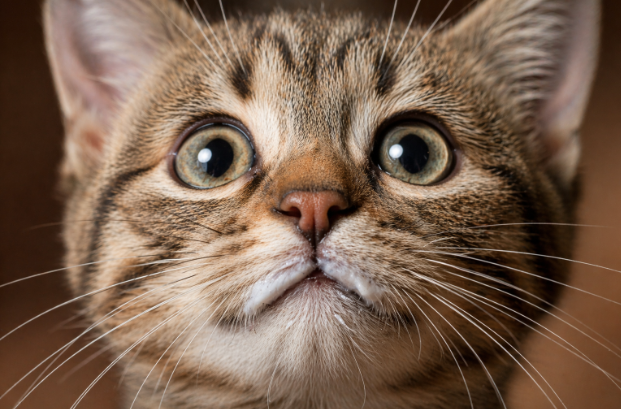
 Hydration support: Goat milk can be a safe, highly digestible alternative for cats.
The idea of cats drinking milk is common, but most adult cats cannot properly digest cow’s milk, leading to stomach issues. Goat milk is a safer, more digestible alternative often used as a functional supplement for hydration and nutrition.
- Digestible alternative. Contains less lactose and is easier for cats to process.
- Hydration support. Helps increase fluid intake, which is essential for feline health.
- Introduce slowly. Always start with small amounts to monitor their digestion.
- Follow the 10% rule. Do not go more than 10% of daily calories.
- Choose the right type. Raw or pet specific goat milk is best.
Why Goat Milk Is a Superfood
There is a lot of confusion about cats and milk. While cow’s milk typically causes digestive distress, goat milk is an entirely different story. It forms a softer curd in the stomach, allowing for much easier breakdown.
Additionally, goat milk features smaller fat particles, making it incredibly easy to absorb. Combined with its naturally lower lactose content, it puts significantly less stress on your cat’s digestive system.
Nutritional Profile (per 1 oz)
| Nutrient | Amount | Relevance for Cats |
|---|---|---|
| Calories | ~20 kcal | Low-calorie supplement |
| Water | ~87% | Supports hydration |
| Protein | ~1 g | Supports muscle health |
| Calcium | ~38 mg | Strengthens bones and teeth |
| Probiotics | High (in raw form) | Supports digestion |
| Potassium | ~58 mg | Supports muscle and nerve function |
The Science of Digestion
Most cats naturally become lactose intolerant after weaning. While cow’s milk causes diarrhea and bloating due to higher lactose content, goat milk is vastly better tolerated. This is largely due to lower lactose levels and the presence of natural enzymes (particularly in its raw form) that actively aid the digestive process.
Proven Health Benefits
- Hydration Support: Crucial for cats that drink very little water on their own, helping to prevent kidney issues.
- Digestive Health: The natural probiotics and enzymes support a healthy, robust gut flora.
- Better Appetite: Its highly appealing taste makes it a great addition for picky eaters or senior cats.
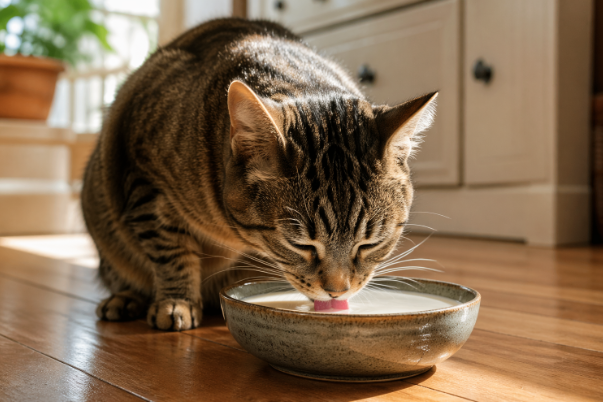 A highly digestible treat: Goat milk is much gentler on a cat’s stomach than cow’s milk.
Risks and Precautions
- Weight Gain: Goat milk contains fat and calories. Too much can cause weight gain.
- Protein Sensitivities: Some cats may react to dairy proteins. Better to know it before trying.
- Pasteurization: Regular store bought goat milk may not have beneficial enzymes compared to natural.
Safe Feeding Guidelines
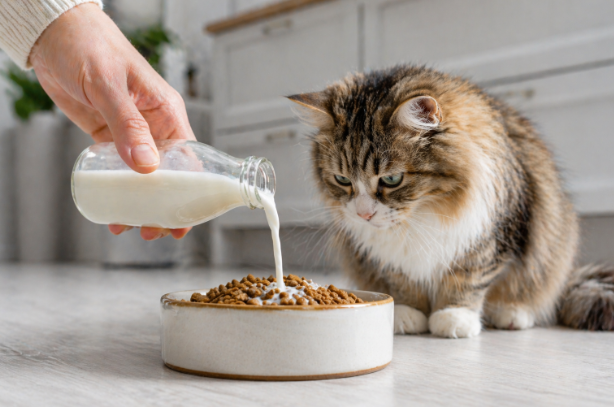 Meal enhancement: Adding goat milk as a topper can encourage hydration and appetite.
- Start with 1 teaspoon
- Increase slowly
- Limit to 1–2 tablespoons per day
- Do not replace regular meals